
"4860 meters"
32564 article(s) found

Medium-bodied Ecuadorian Coffee Flavor and Taste planting Environment introduces boutique coffee beans
West coast: including coastal plains and foothills, high in the east and low in the west, generally below 200 meters above sea level, with some hills and low mountains at an altitude of 600 to 700 meters. Belongs to the tropical rain forest climate, the southernmost end begins to transition to the savanna climate. The average annual precipitation decreases from more than 3000 mm to about 500mm from north to south. Central Mountains: the Andes enter Ecuador from Colombia

Classification and taste of coffee beans explain in detail what is unique about coffee beans
The blue mountain area with an altitude of more than 1000 meters, the best blue mountain (the highest grade) is named after the blue mountain with an elevation of 2256 meters. It is planted on a slope of 80 meters to 1500 meters, with a grade of NO.1,NO.2,NO.3. Characteristics: fragrance-strong, sweet-strong, acid-weak, alcohol-strong, bitter-soft. Hawaii Kona Coffee Bean Origin: Hawaii is perfect in shape, full and shiny

Coffee knowledge | effect of altitude on coffee | the higher the altitude, the better the coffee?
Like wine, beer and tea, the way coffee beans grow can greatly affect the taste of the cup you end up drinking. There are many factors that affect the quality of coffee beans, but none is more important than the growth of coffee beans. To understand why altitude has such a great effect on the flavor of coffee beans, we must study plant biology in depth. Usually, the higher the altitude,

Introduction of Columbia Linglong Coffee Flavor description, Taste, quality, Grinding scale
Columbia Linglong Coffee Flavor description Taste quality characteristics Grinding scale introduction on a steep slope about 1300 meters above sea level, where the annual temperature is about 18 degrees Celsius, annual rainfall is 2000 to 3000 millimeters, latitude 1-11 15 north, longitude 72-78 west, the specific range of elevation is more than 2.000 meters. By a special combination of various factors, the coffee growing area of Colombia
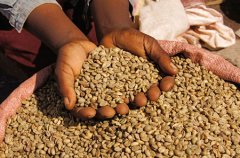
Ethiopian boutique coffee introduces Ethiopian boutique coffee to grow African Arabica coffee
Ethiopia is one of the major producers of Arabica coffee in Africa, producing the best Arabian coffee in the world. It is said that coffee was first discovered by shepherds in Essekafa, and the name of coffee evolved from Kafa, so Essex is still the hometown of coffee. The geographical environment of coffee production and processing is very suitable for coffee growth. Coffee is mainly cultivated.

South Minas, the backbone of Brazilian boutique beans
Brazil is flat, with coffee farms mostly about 600-1000 meters above sea level, suitable for growing shade-free Kaddura, New World and Kaduai, also known as Sm CofFee. This is the main reason for the lack of aroma of Brazilian coffee (but when the altitude is more than 1100 meters, the taste of exposed coffee will improve, comparable to bourbon. See Chapter 4 of this book). The good news is that

Ethiopian Coffee Manor with rich nutty flavor and taste characteristics
Ethiopia is located at 6 ~ 9 degrees north latitude and 34 ~ 40 degrees east longitude. It is located in the center of the Horn of Africa and is a landlocked country. It is bordered by Djibouti and Somalia to the east, Sudan to the northwest, Eritrea to the north and Kenya to the south. [5] there are mainly mountain plateaus in Ethiopia, and most of them belong to the Ethiopian plateau. The central and western regions are the main body of the plateau, accounting for the whole territory.

What is organic coffee? What are the characteristics of organic coffee cultivation technology?
Organic coffee is coffee that does not use synthetic pesticides, herbicides or chemical fertilizers during its growth. These ways of growing coffee are conducive to maintaining a healthy environment and keeping the groundwater pure. After the coffee is harvested, be sure to use an organically certified roaster to process the coffee beans. Organic coffee is made of beans grown in the shade of trees.

Ethiopian boutique coffee Ethiopia boutique coffee flavor Ethiopian boutique coffee
Coffee is Ethiopia's most important export cash crop and the main source of Ethiopia's foreign exchange earnings. Ethiopia's coffee exports account for about 3% of the world market, making it the eighth largest coffee exporter in the world. Coffee exports increased steadily from 58000 tons in 1990-91 to 110000 tons in 1995-96 and remained at this level in the following years. 2001-2002
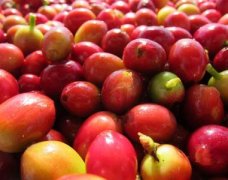
Ethiopia producing area yejia snow coffee fine coffee bean varieties planting market price profile
The world-famous Ethiopian coffee mainly includes: 1. Limu coffee grows between 1400 meters and 2000 meters above sea level. washed coffee. Excellent quality, with intense nutty aromas, moderate acidity and wine intensity. Annual production of 29,000 tons. Gima coffee grows between 1400 and 1800 meters above sea level. Sunburn coffee. Slightly sour, nutty and long finish.

Ethiopian fine coffee with intense nutty aromas Taste Introduction
Coffee is Ethiopia's most important export cash crop and the main source of foreign exchange earnings. Ethiopia's coffee exports account for about 3% of the world market share, making it the eighth largest coffee exporter in the world. Coffee exports increased steadily from 58,000 tons in 1990-1991 to 110,000 tons in 1995 - 1996 and remained at that level for the next few years. 2001 - 2002

Brazilian boutique beans main stem South Minas coffee beans
Brazil is flat, with coffee farms mostly about 600-1000 meters above sea level, suitable for growing shade-free Kaddura, New World and Kaduai, also known as Sm CofFee. This is the main reason for the lack of aroma of Brazilian coffee (but when the altitude is more than 1100 meters, the taste of exposed coffee will improve, comparable to bourbon. See Chapter 4 of this book). The good news is that

Ethiopian Limu Coffee introduces the Manor of Coffee producing area
Coffee is Ethiopia's most important export cash crop and the main source of Ethiopia's foreign exchange earnings. Ethiopia's coffee exports account for about 3% of the world market, making it the eighth largest coffee exporter in the world. Coffee exports increased steadily from 58000 tons in 1990 to 110000 tons in 1995-1996 and remained at this level in the following years. 2001-2002

The relationship between altitude, variety and coffee flavor? What are the advantages of coffee beans grown at high altitude?
Professional coffee knowledge exchange more coffee bean information please pay attention to the coffee workshop (Wechat official account cafe_style) altitude, variety and coffee flavor relationship? What are the advantages of coffee beans grown at high altitude? What are the characteristics of the flavor? (1) Bean size is positively correlated with altitude, and it is easier to produce full-bodied beans at high altitude, so some producing areas prefer bean size to hard.

Introduction of Fine Coffee beans in Galapagos Coffee Manor, Ecuador
West coast: including coastal plains and foothills, high in the east and low in the west, generally below 200 meters above sea level, with some hills and low mountains at an altitude of 600 to 700 meters. Belongs to the tropical rain forest climate, the southernmost end begins to transition to the savanna climate. The average annual precipitation decreases from more than 3000 mm to about 500mm from north to south. Central Mountains: the Andes enter Ecuador from Colombia

Introduction of Ethiopian Coffee Coffee varieties, Brand characteristics, Flavor description, Grinding scale, Fine Coffee
Quality characteristics of Ethiopian coffee flavor description treatment sun-cured coffee accounts for 65% of exports. Mainly picked by families, red coffee beans are placed on cement floors or on high tables to dry to about 11.5% humidity, then peeled and cleaned. Coffee grading and quality control system in Ethiopia, coffee grading and quality control system is divided into producer, regional and national
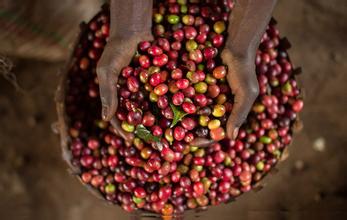
Boutique coffee beans Ethiopian coffee the latest coffee introduction unique flavor
Coffee is Ethiopia's most important export cash crop and the main source of Ethiopia's foreign exchange earnings. Ethiopia's coffee exports account for about 3% of the world market, making it the eighth largest coffee exporter in the world. Coffee exports increased steadily from 58000 tons in 1990 to 110000 tons in 1995-1996 and remained at this level in the following years. 2001-2002

The growing environment of coffee trees in Ethiopia introduces Ted Manor
Coffee is Ethiopia's most important export cash crop and the main source of Ethiopia's foreign exchange earnings. Ethiopia's coffee exports account for about 3% of the world market, making it the eighth largest coffee exporter in the world. Coffee exports increased steadily from 58000 tons in 1990 to 110000 tons in 1995-1996 and remained at this level in the following years. 2001-2002

Ethiopian coffee bean producing area of Ethiopian coffee bean flavor manor
Coffee is Ethiopia's most important export cash crop and the main source of Ethiopia's foreign exchange earnings. Ethiopia's coffee exports account for about 3% of the world market, making it the eighth largest coffee exporter in the world. Coffee exports increased steadily from 58000 tons in 1990 to 110000 tons in 1995-1996 and remained at this level in the following years. 2001-2002